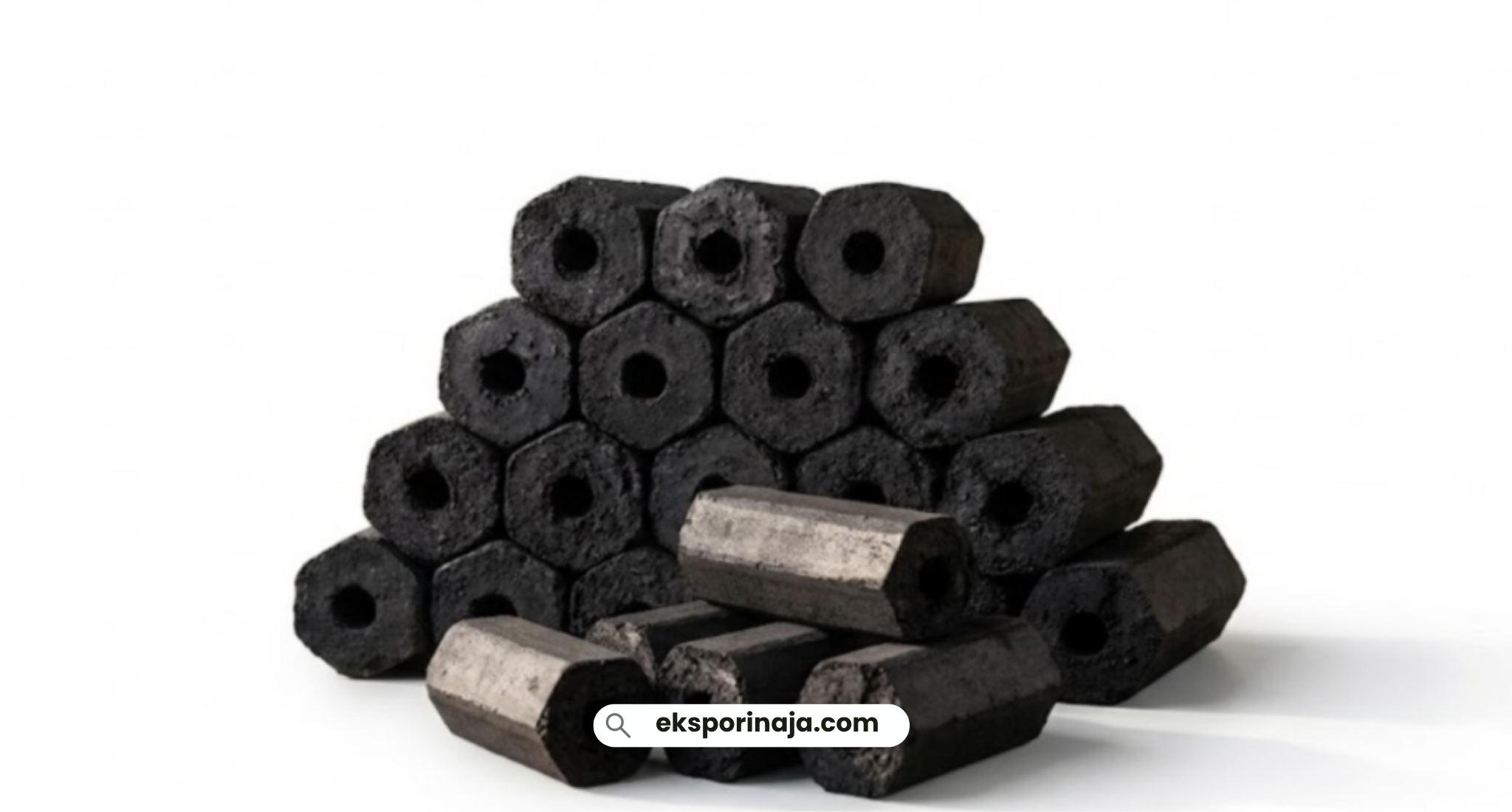
Coconut shells are often considered a natural by-product of coconut processing, but they can also become the starting point for another valuable product: charcoal briquettes.
The journey from coconut shell to finished charcoal briquette involves several stages. The shells need to be prepared, converted into charcoal, processed into a suitable form, shaped, and dried before the final product is ready.
For buyers interested in coconut shell charcoal briquettes, understanding this process provides a clearer picture of how the product is made before it is ready for use or shipment.
Starting with Coconut Shells
The process begins with coconut shells obtained from coconut processing. Once the coconut meat and other usable parts have been removed, the remaining shells can be collected and prepared for further processing.
Coconut shells have a naturally hard and dense structure, making them suitable as a raw material for charcoal production. Instead of being left unused, they can be converted into coconut shell charcoal and later processed into briquettes.
Proper handling and preparation of the raw material are important because they create a suitable foundation for the next stage of production.
Turning Coconut Shells into Charcoal
The next major stage is carbonization. During this process, coconut shells are heated under controlled conditions to convert them into charcoal.
After carbonization, the shells become a carbon-rich charcoal material that can be processed further.
This is an important stage in the production process, as the carbonized coconut shell becomes the main raw material used to produce the briquettes.
From Charcoal Pieces to Briquette Material
After carbonization, the coconut shell charcoal may remain in large pieces or break into smaller fragments. Before it can be formed into briquettes, the charcoal is generally crushed or ground into a more suitable particle size.
The charcoal material is then mixed with the necessary binding materials to create a mixture that can be shaped. The exact formulation and production method may vary depending on the type of briquette and buyer requirements.
At this stage, the original coconut shell has already been transformed into prepared charcoal material ready for forming.
Shaping and Drying the Briquettes
Once the charcoal mixture has been prepared, it is formed into briquettes using suitable production equipment. This stage gives the product its recognizable shape and makes it easier to handle, package, and transport.
After forming, the briquettes need to be dried to reduce the remaining moisture and prepare them for storage, packaging, and shipment.
The shape, size, and specifications of the briquettes may vary depending on the intended application and buyer requirements.
From Coconut Shell to Finished Product
The journey from coconut shell to charcoal briquette is a series of connected stages, beginning with raw material preparation and continuing through carbonization, charcoal processing, forming, and drying.
This process shows how an agricultural by-product can be transformed into a finished commercial product.
For international buyers, understanding the production journey can also make it easier to discuss product specifications, quantities, packaging, and shipment arrangements with suppliers.
Behind every coconut shell charcoal briquette is a production process that begins with a coconut shell and ends with a product ready for supply.
Sourcing Coconut Shell Charcoal Briquettes from Indonesia
Indonesia’s coconut resources provide a strong foundation for various coconut-based products, including coconut shell charcoal and charcoal briquettes.
For buyers looking to source coconut shell charcoal briquettes from Indonesia, requirements can be discussed according to the intended application, quantity, packaging, destination, and shipment needs.
PT Ekspor Indonesia Aja supports international buyers in sourcing products from Indonesia and coordinating with local suppliers based on buyer requirements.
Looking for a coconut charcoal supplier in Indonesia? Contact PT Ekspor Indonesia Aja to discuss your product requirements and sourcing needs.
PT Ekspor Indonesia Aja
From Local to Global


Comments are closed