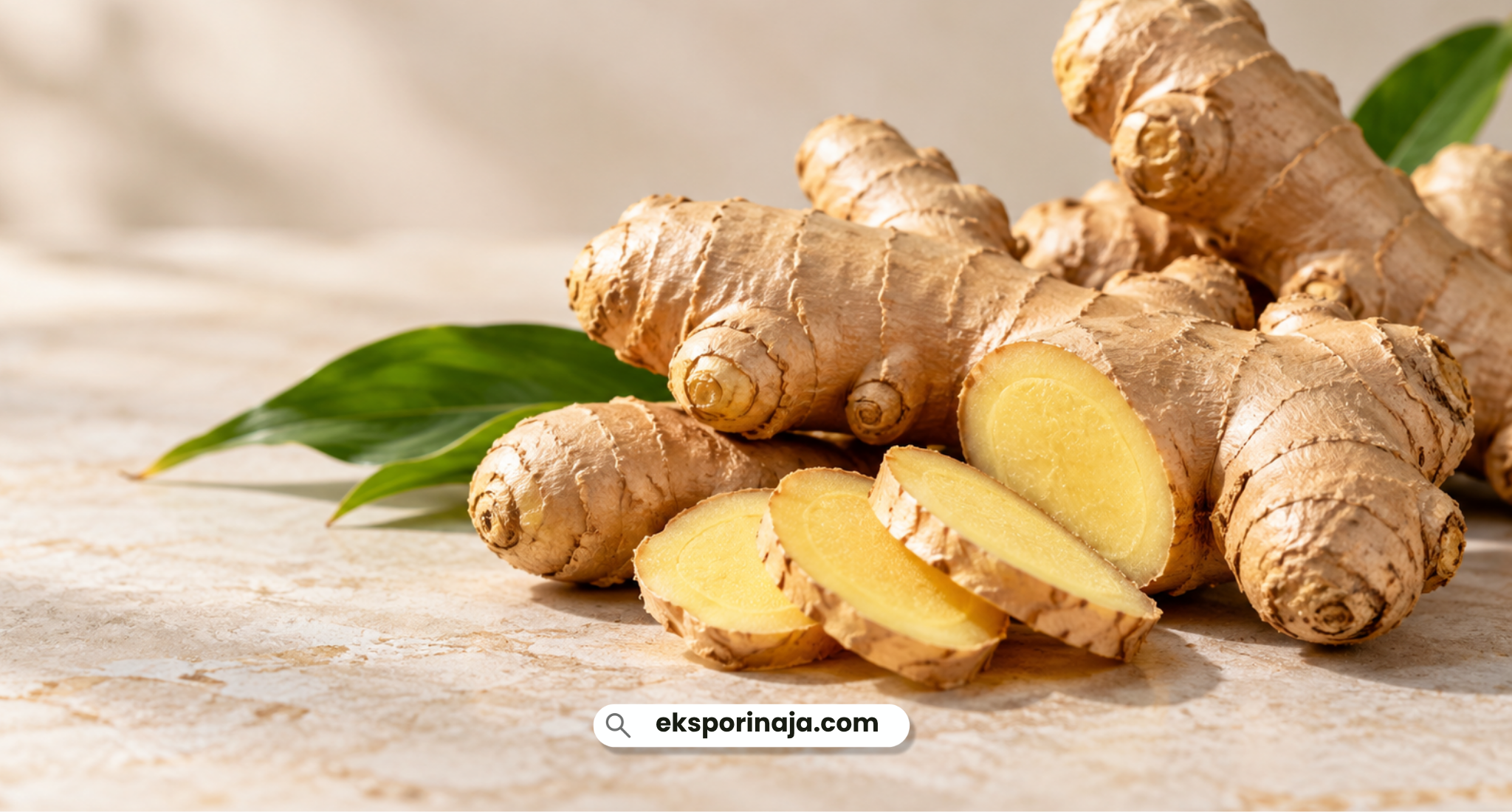
Ginger is known for its distinctive spicy flavor and refreshing aroma, making it a familiar ingredient in kitchens around the world. Beyond its use in cooking, ginger has become part of many traditional beverages, where it is combined with water, tea, milk, sweeteners, and aromatic spices.
Although these drinks share the same main ingredient, each culture has its own way of preparing and enjoying them. Some emphasize the sharp taste of ginger, while others blend it with tea, fruit, or a variety of spices. Exploring these beverages offers a glimpse into how a single ingredient can take on different roles in culinary traditions.
Wedang Jahe and Other Ginger Drinks in Indonesia
In Indonesia, ginger is commonly used in traditional beverages, particularly those served warm. One familiar example is wedang jahe, which is generally prepared by simmering fresh ginger in water and adding palm sugar or another sweetener. Some recipes also include lemongrass, cinnamon, cloves, or pandan leaves for additional aroma.
The resulting drink combines ginger’s spicy character with a gentle sweetness. Its flavor depends on the amount of ginger used and the ingredients added, allowing different households and regions to develop their own variations.
Another Indonesian beverage associated with ginger is wedang uwuh, a traditional drink linked to the Imogiri area of Yogyakarta. It commonly contains ginger, cloves, cinnamon, and sappan wood, which gives the drink its characteristic reddish color. Other ingredients may also be included depending on the recipe.
While both beverages use ginger, their overall flavors differ according to their ingredient combinations. They demonstrate how Indonesian culinary traditions bring together familiar roots, spices, and other local ingredients to create distinctive drinks.
Salabat and Teh Halia in Southeast Asia
Ginger also features in traditional and everyday beverages across Southeast Asia, including the Philippines, Malaysia, and Singapore.
In the Philippines, salabat is a ginger drink typically made by boiling fresh ginger in water. Sugar or honey may be added to adjust the sweetness, while some recipes include calamansi for a light citrus flavor. Its preparation is relatively simple, allowing the taste of ginger to remain at the center of the drink.
In Malaysia and Singapore, teh halia combines ginger with tea. Depending on the preparation, it may also contain sugar and milk or condensed milk. The tea provides a familiar base, while ginger adds a spicy aroma and a more pronounced flavor.
The contrast between these beverages lies in their combinations. Salabat generally highlights ginger in a straightforward infusion, whereas teh halia brings together ginger and tea, sometimes with the added richness of milk. Both illustrate how local preferences influence the way ginger is prepared and served.
Korean Ginger Tea and Spiced Beverages
In South Korea, ginger is used in saenggang-cha, commonly known as ginger tea. It can be prepared with fresh ginger or with ginger preserved in sugar or honey, which is then combined with hot water. The sweetness and intensity vary according to the ingredients and individual preferences.
Another traditional Korean beverage is sujeonggwa, a sweet, spiced drink commonly prepared with ginger and cinnamon, often accompanied by dried persimmons. Unlike ginger tea, which is commonly served hot, sujeonggwa is often served chilled.
These beverages offer different ways to experience ginger. In saenggang-cha, the root provides the main flavor, while in sujeonggwa, it can complement the sweetness of fruit and the aroma of other spices.
Adrak Chai and Ginger in Indian Tea Culture
In India, ginger is a popular addition to adrak chai, a variation of chai made with fresh ginger. The drink typically combines black tea, water, milk, and sugar, with ginger adding a spicy aroma and a distinctive taste.
The ginger may be crushed or sliced before being simmered with the tea and other ingredients. Some preparations also incorporate spices such as cardamom, cloves, or cinnamon, while others rely on a simpler combination of tea and ginger.
Adrak chai is enjoyed in homes, tea stalls, and other everyday settings. Its preparation varies according to personal taste and local habits, but ginger remains an important part of its characteristic flavor.
Compared with drinks made primarily from ginger and water, adrak chai has a fuller profile because of the tea and milk. This combination shows how ginger can complement other ingredients rather than serve as the sole focus of a beverage.
What Makes Ginger Suitable for Different Beverages?
Ginger’s distinctive flavor helps explain why it appears in so many traditional drinks. Fresh ginger has a sharp, spicy taste and a recognizable aroma, although its intensity can vary depending on the variety, quantity, and preparation method.
How ginger is handled also affects the final result. Slicing, crushing, or grating the root changes how it releases its flavor into a liquid. Simmering it for different lengths of time can further influence the strength of the drink.
Other ingredients create additional layers of flavor. Sugar and honey soften ginger’s sharpness, citrus adds a brighter note, and spices such as cinnamon and cloves contribute warmth and aroma. Tea and milk create a different balance, producing beverages with a richer taste.
These combinations show that ginger is more than a source of spice. Its flavor can be adapted to different ingredients, preparation methods, and serving preferences, making it a versatile part of beverage traditions across cultures.
Explore Indonesian Products with PT Ekspor Indonesia Aja
From wedang jahe in Indonesia to salabat in the Philippines and adrak chai in India, traditional ginger drinks reflect the different ways cultures use familiar ingredients in their daily lives. Each beverage has its own character, shaped by local ingredients and preparation practices.
Indonesia also offers a wide range of agricultural products and consumer goods with different characteristics and potential uses. Understanding these products begins with exploring the ingredients, varieties, and applications that make them relevant to different markets.
PT Ekspor Indonesia Aja connects international buyers with Indonesian products across categories such as fast-moving consumer goods (FMCG), seafood, and agricultural products. Businesses interested in exploring available products can contact our team to discuss their requirements.
Contact PT Ekspor Indonesia Aja to learn more about our product offerings.
PT Ekspor Indonesia Aja
From Local to Global

Comments are closed