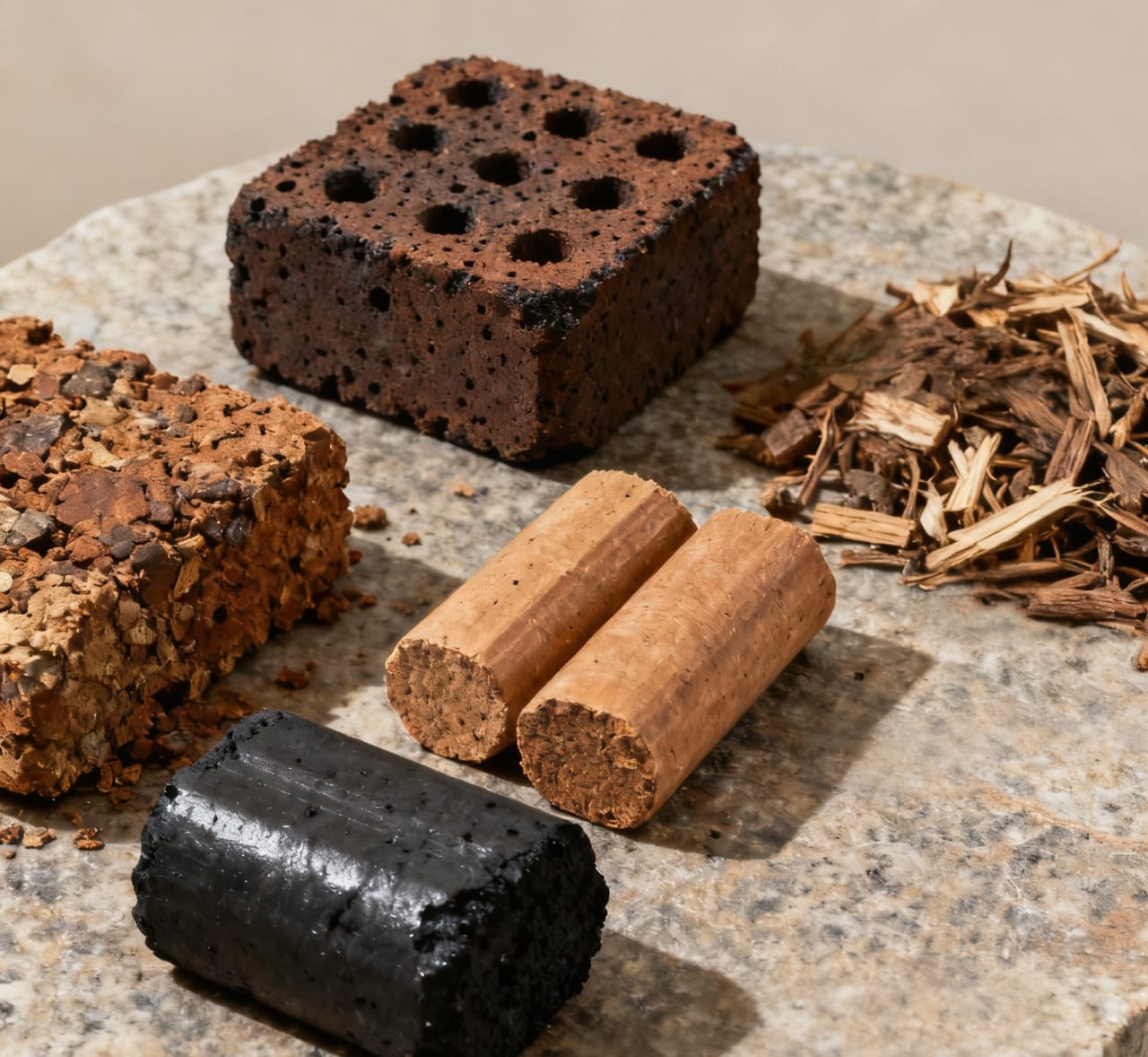
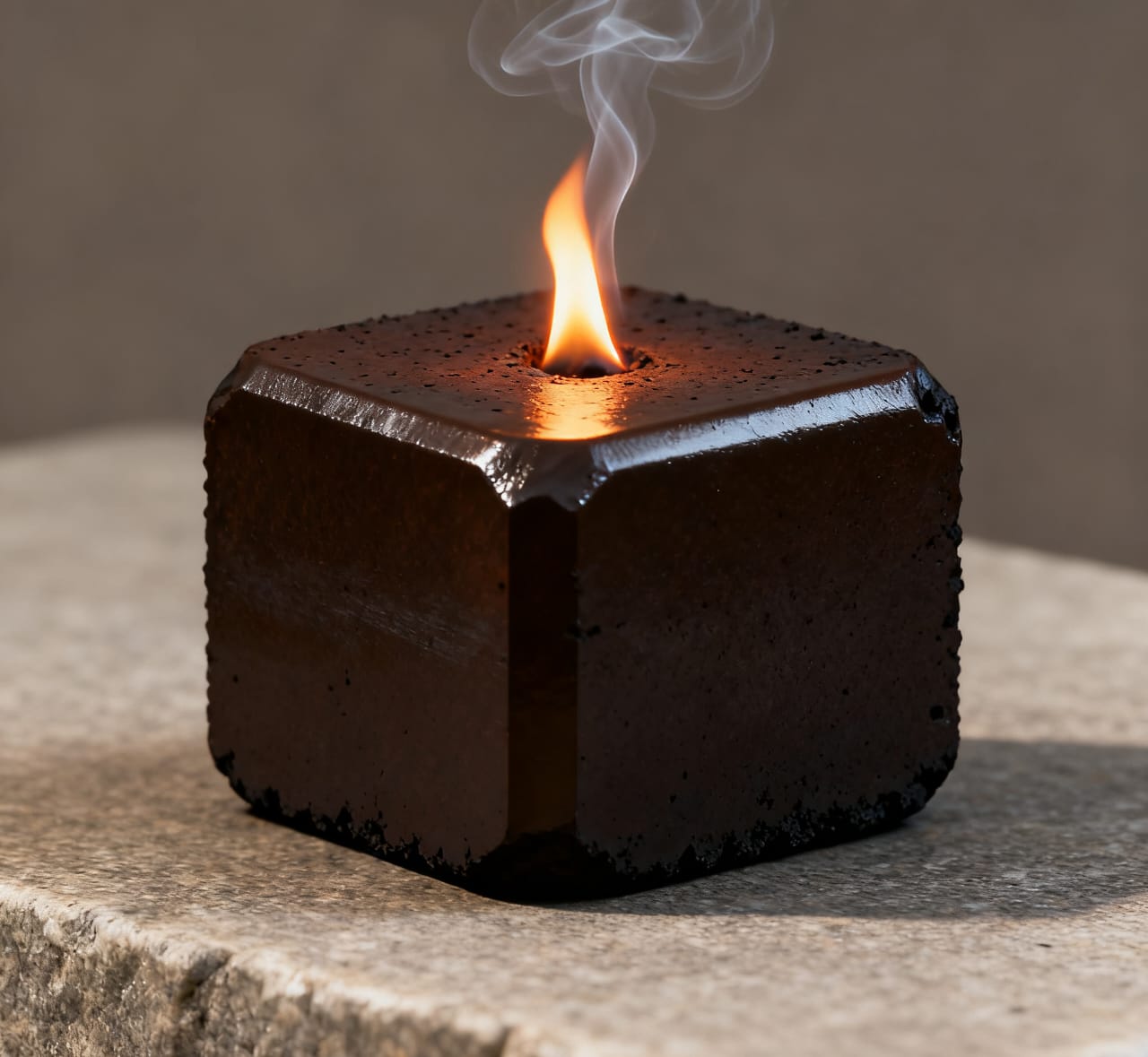
JAKARTA 15 December 2025 – What Do You Know About Briquettes? Briquette are a fuel made from organic materials that are compressed or formed into a solid. The raw materials used include coconut pulp, wood fiber, leaves, or agricultural waste. These materials are made with a small amount of binder and then pressed into solid chunks of the same shape and size.
Types of Briquettes Based on Raw Materials
- Coconut Shell Briquettes :
In Indonesia, this type of briquettes is very popular due to the abundant availability of coconut waste. These briquettes have a relatively long burning duration and produce a stable flame. - Wood Briquettes:
Made from wood fibers or wood waste, this type of briquette is well-suited for use as fuel in stoves for cooking and heating. - Agricultural Waste Briquettes:
These briquettes are produced from leaves, straw, or plant stems, making them useful for managing waste and reducing direct open burning. - Wood Charcoal Briquettes:
Made from a mixture of wood charcoal and binding materials, these briquettes have a relatively high energy content.
Advantages and Benefits of Briquettes
- Environmentally Friendly:
Briquettes are made from organic waste, helping to reduce garbage and prevent waste burning that pollutes the air. They also produce lower harmful carbon emissions compared to raw wood or traditional charcoal. - Energy Efficiency:
Due to the compaction process, briquettes burn longer, producing more energy per unit volume. - Practical and Convenient:
With uniform shapes and sizes, briquettes are easy to store and use, and they produce minimal ash or residue. - Affordable:
Since the raw materials come from waste, production costs are relatively low, making briquettes cheaper than other fuels in many areas.
Steps in the Briquette Production Process
- Organic materials such as coconut residue, wood fibers, leaves, or straw are cleaned, crushed, and dried until their moisture content is low.
- The dried materials are then compressed using a briquette machine under high pressure.
- After being formed into solid blocks, the briquettes are dried again to improve durability and ease of ignition.
Functions and Uses of Briquettes
- Used for cooking in households, food stalls, and restaurants because they produce stable heat and minimal smoke.
- Used by some industries as fuel for heating or combustion processes.
Challenges and Limitations
Although briquettes offer many benefits and advantages, they also face several challenges. In some areas, public awareness of briquettes and their uses is still limited. In addition, production machinery is not widely available, and briquettes must compete with conventional fuels that people are already accustomed to using. However, as environmental awareness grows and the demand for sustainable energy increases, briquettes have great potential to become a reliable primary energy source in the future.


Comments are closed