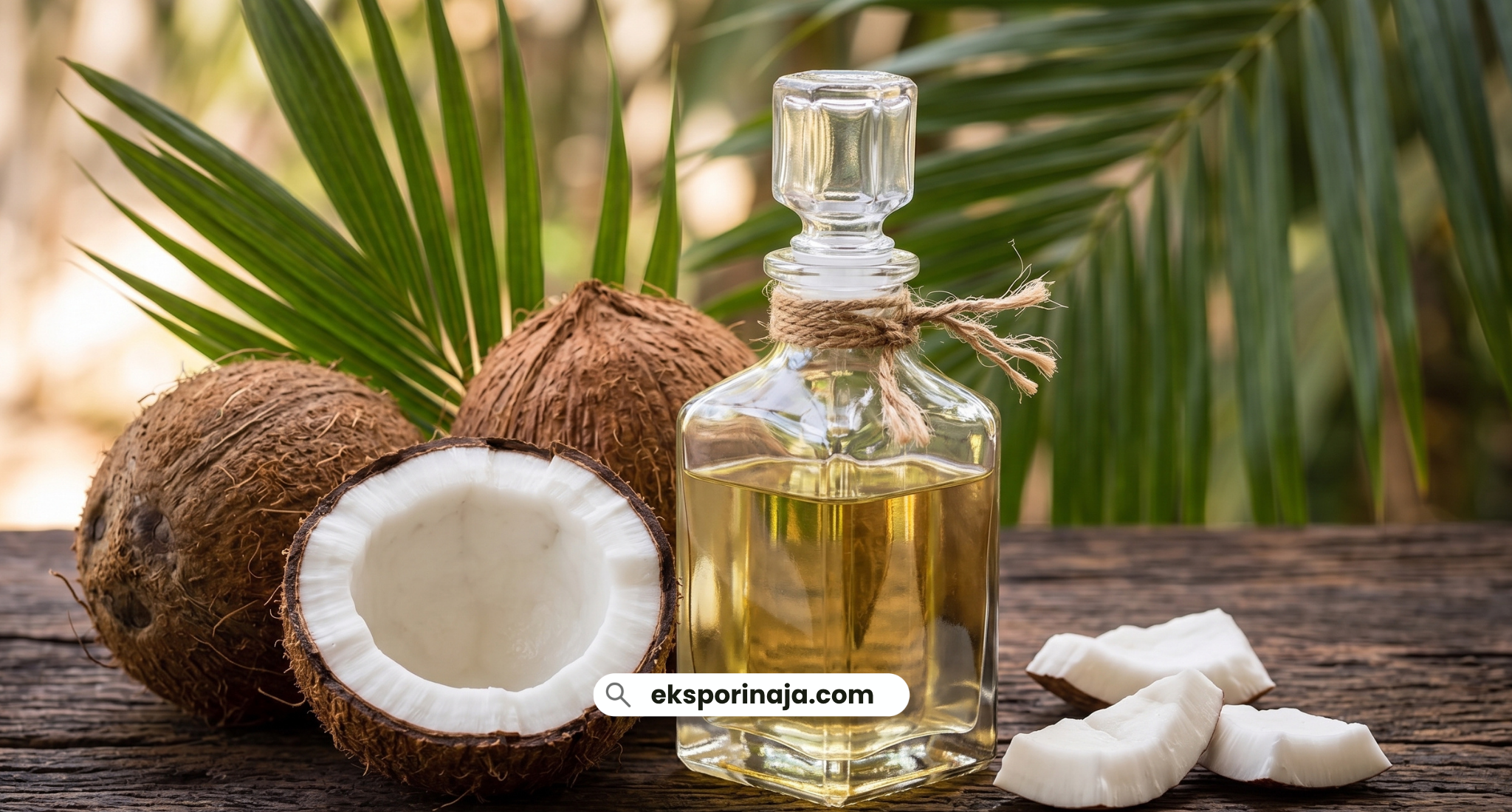
Coconut is more than just a tropical fruit. Across coconut-producing regions, different parts of the fruit can be transformed into a wide range of products, from coconut water and coconut milk to coconut sugar, coconut shell charcoal, and coconut oil. This versatility has made coconut an important agricultural resource for both local industries and international markets, where different coconut-derived products serve different commercial needs.
Among these products, coconut oil is one of the most familiar. It is produced from the white flesh of mature coconuts and can be processed into different types of oil depending on the production method and desired specifications. The final product can vary in characteristics depending on how the raw material is handled, how the oil is extracted, and whether additional processing such as filtration or refining is carried out.
What makes coconut oil particularly interesting is its journey from an agricultural commodity to a versatile processed product. The quality of the coconut provides the starting point, while processing, storage, packaging, and transportation all contribute to the final product. This journey is especially relevant for businesses looking to source coconut oil for different markets and applications.
From Coconut to Coconut Oil
Coconut oil comes from the white flesh inside mature coconuts. After harvesting, the coconut is opened, and the flesh is separated from the hard shell before being prepared for processing. The condition of the coconut matters from the start, as maturity, freshness, cleanliness, and handling can all affect the quality of the raw material before it enters production.
Appropriate harvesting and storage practices can help maintain the condition of the coconut throughout the early stages of the supply chain. This means the story of coconut oil does not actually begin in a processing facility but much earlier, with the cultivation and harvesting of coconuts in agricultural regions.
Once the flesh has been prepared, the oil naturally contained within it is separated from the other components. Producers can use different processing methods depending on the type of coconut oil being produced, and the oil may undergo additional processes such as filtration, purification, or refining after extraction.
These processing stages can influence the appearance, aroma, level of refinement, and other specifications of the finished product. This is why coconut oil should not necessarily be viewed as one identical product. Understanding the production process can help buyers choose a product that fits a particular market, application, or set of specifications.
This same raw material also feeds a much broader value chain. The same coconut can be processed into coconut milk, coconut cream, desiccated coconut, coconut sugar, and other products, while parts not used for oil production, such as the shell, can be processed into charcoal and other goods.
Coconut oil is therefore just one part of an industry that connects farmers, processors, manufacturers, suppliers, exporters, and international buyers around a single, highly versatile agricultural resource.
What Makes Coconut Oil Versatile?
The versatility of coconut oil comes partly from the different ways coconut can be processed. Different production methods can result in coconut oil with different characteristics, allowing it to meet varying requirements across markets and applications.
One commonly recognized category is virgin coconut oil (VCO), which is generally produced using methods intended to retain more of the natural characteristics of coconut. Another is refined coconut oil, which undergoes additional processing to achieve particular characteristics and specifications. The choice between them depends on the intended application and target market.
For international buyers, this distinction matters because sourcing coconut oil is not simply about finding a product labeled “coconut oil.” Buyers need to consider the type of oil, processing method, specifications, packaging, and storage requirements before selecting a supplier. A clear understanding of these factors helps ensure that the product being sourced is appropriate for the target market.
Sourcing Coconut Oil From Indonesia
Indonesia has a strong coconut-growing sector supported by its tropical climate and agricultural areas across the country. Coconuts are cultivated in different regions, providing raw materials for a variety of coconut-based products and creating opportunities for international buyers looking beyond fresh coconuts and toward processed products such as coconut oil.
For businesses interested in coconut oil from Indonesia, the sourcing process still requires attention to product specifications and supplier capabilities. Buyers may need to confirm the type of coconut oil, processing method, packaging format, order quantity, documentation, and shipment requirements before placing an order.
Product price is only one part of that evaluation. Buyers may also consider product consistency, packaging, minimum order quantity, and a supplier’s ability to handle export requirements when evaluating potential sources.
Clear communication early in the process makes a real difference here. Discussing specifications, quantities, packaging, and shipment arrangements before an order is finalized helps reduce misunderstandings and ensures both sides share the same expectations. This, in turn, can make the transition from product inquiry to international shipment more efficient.
From Coconut to Global Markets
A bottle of coconut oil may look like a simple finished product, but its journey begins much earlier. It starts with coconuts grown in tropical agricultural regions, continues through harvesting and processing, and eventually reaches packaging, transportation, and distribution.
Each stage contributes to transforming the original coconut into a product that can enter different markets around the world. The process also demonstrates how an agricultural commodity can become part of a broader international supply chain involving producers, processors, suppliers, exporters, buyers, and logistics providers.
For Indonesia, coconut oil is one example of how an agricultural resource can be developed into a processed product with international market potential. For businesses looking to source coconut oil from Indonesia, understanding this journey is a useful starting point.
The right sourcing decision involves not only finding the desired product, but also working with a supplier who understands and can meet the requirements of the intended market.
Looking for coconut oil or other coconut products from Indonesia? Contact PT Ekspor Indonesia Aja to discuss your product specifications, order requirements, and shipment needs.
PT Ekspor Indonesia Aja
From Local to Global

Comments are closed