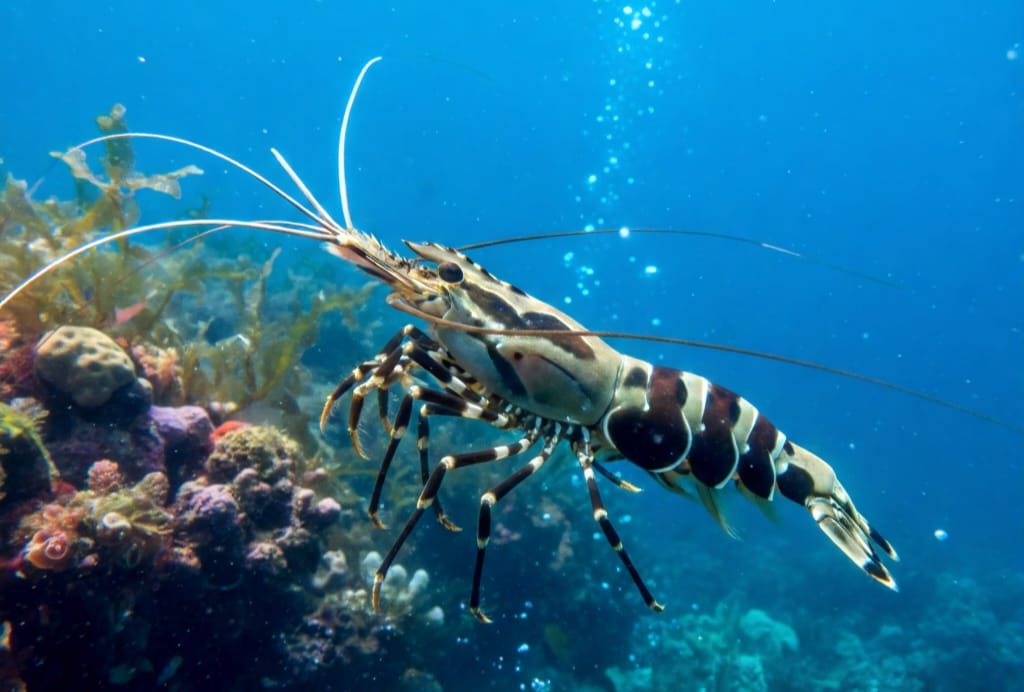
JAKARTA 18 December 2025 – As a maritime country with an extensive coastline and vast waters, Indonesia has great potential in shrimp farming and capture fisheries. Various types of shrimp such as vannamei shrimp, tiger shrimp, and giant freshwater prawn are key commodities due to their high quality and steadily increasing market demand.In the industrial sector, shrimp plays an important role as a strategic export commodity. Indonesian shrimp products have penetrated various international markets, including the United States, Japan, China, and European countries. Shrimp is exported in various forms, ranging from frozen shrimp and fresh shrimp to processed products such as breaded shrimp and shrimp nuggets. Quality standards, food safety, and cold chain management are the main factors in maintaining the competitiveness of Indonesian shrimp in the global market.
Challenges in the Development of the Shrimp Farming Industry
Despite its great potential, Indonesia’s shrimp industry faces several challenges that need to be addressed. One of the main issues is quality and food safety, which are major concerns in international markets. In the past, some shrimp export rejections occurred due to the presence of drug residues or chemical substances exceeding safe limits.In addition, climate change and environmental degradation also have an impact on this sector. Damage to aquatic ecosystems, water pollution, and changes in sea temperature can disrupt shrimp farming productivity and reduce harvest quality. Another challenge is the limited supporting infrastructure, such as cold storage facilities, processing centers, and adequate transportation, especially in shrimp farming pilot areas.
Enhancing the Competitiveness of the Shrimp Industry
The development of sustainable shrimp farming has also become a major focus. These programs include the management of aquaculture waste, the use of environmentally friendly feed, and the preservation of ecosystems around shrimp ponds. Several regions have implemented integrated shrimp farming systems combined with crops such as rice or seaweed to increase productivity and sustainability.
Potential for the Development of Processed Shrimp Products
One way to increase the economic value of shrimp is through the development of diverse processed products. In addition to breaded shrimp and shrimp nuggets, various innovative products have emerged, such as shrimp chips, shrimp sauce, shrimp preserved with traditional regional spices, and ready to eat products that are practical for daily consumption.In the domestic market, demand for processed shrimp products continues to grow along with rising living standards and changes in the lifestyle of Indonesian consumers who increasingly prioritize convenience and food safety. This creates significant opportunities for business players to develop shrimp-based products with a wide variety of flavors and attractive packaging.
The Role of Society in the Development of the Shrimp Industry
Communities also play an important role in the development of Indonesia’s shrimp industry.Shrimp farmers who implement good and responsible aquaculture practices contribute to product quality and resource sustainability. In addition, consumers can support local shrimp products by choosing items that carry food safety and sustainability certifications.Education and training are also crucial in improving human resource capacity in this sector. Many training programs are provided to shrimp farmers and workers in the shrimp processing industry to enhance their knowledge and skills in managing businesses and producing high quality products.

Comments are closed