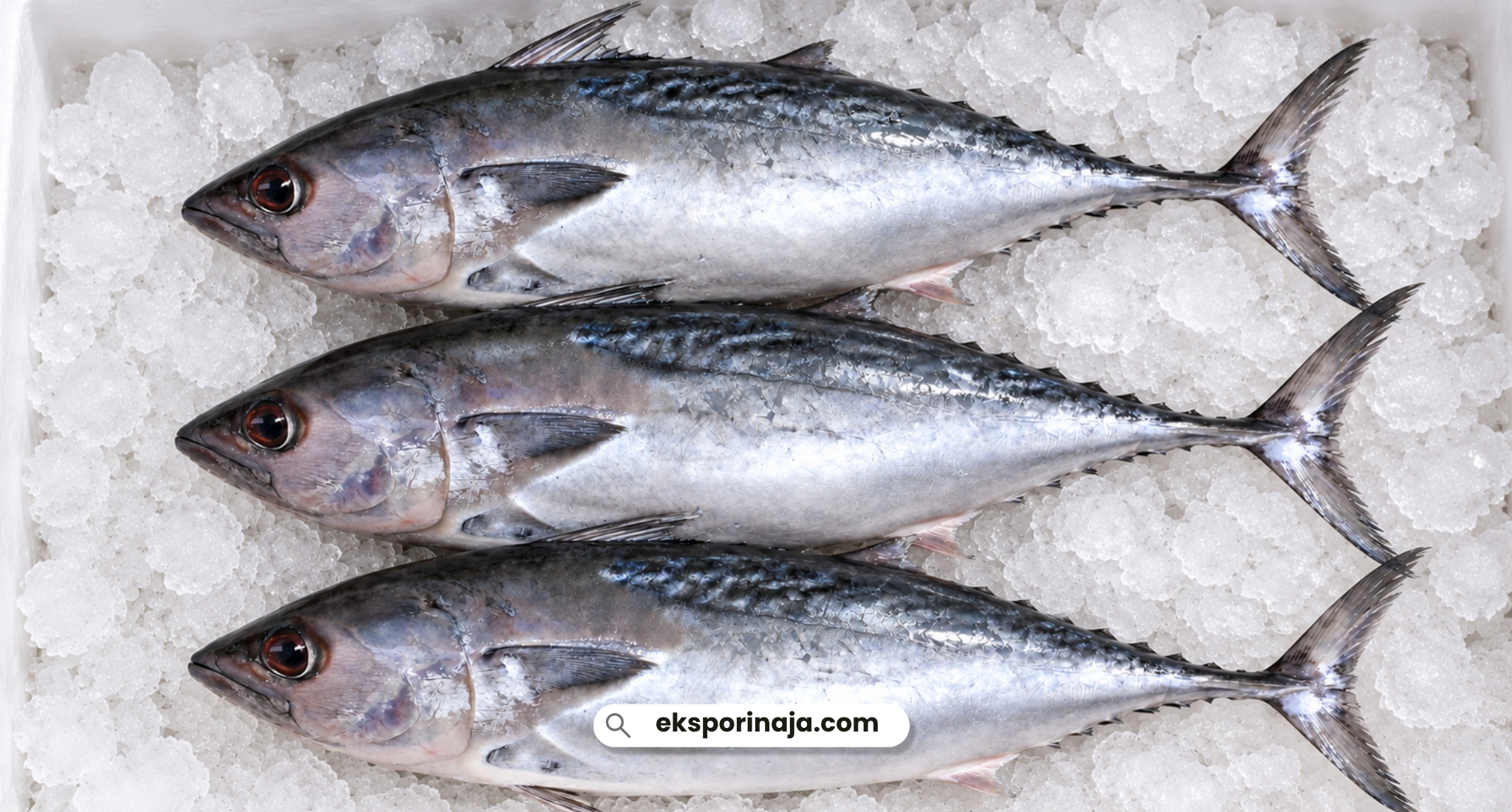
Mackerel tuna, commonly known as ikan tongkol in Indonesia, is a marine fish enjoyed in various dishes for its distinctive flavor and versatility. Scientifically known as Euthynnus affinis, this fish is also recognized as a source of protein and other nutrients.
Beyond its culinary uses, mackerel tuna offers nutritional value that makes it a relevant part of everyday meals. Understanding its nutrient content and different preparation methods can help readers appreciate its role in a varied and balanced diet.
Getting to Know Mackerel Tuna
Mackerel tuna, also known as kawakawa, is a member of the tuna family found in tropical and subtropical waters, including those around Indonesia.
In Indonesian cuisine, tongkol is prepared in many ways, from grilled and steamed dishes to traditional recipes featuring herbs and spices. Its distinctive flavor and versatility have made it a familiar choice for households and food businesses.
Although its English name includes the word “mackerel,” mackerel tuna is a distinct fish species. Its scientific name, Euthynnus affinis, helps distinguish it from other fish with similar common names.
Mackerel Tuna as a Source of Protein
Protein is an essential nutrient that helps build and maintain body tissues. It also supports several normal functions in the body.
As a source of animal protein, mackerel tuna can be included in everyday meals alongside other protein-rich foods. Its versatility makes it suitable for a wide range of recipes, whether prepared as a simple home-cooked dish or served as part of a larger meal.
Including different protein sources in a balanced diet can help provide the nutrients the body needs. Pairing mackerel tuna with vegetables and staple foods is one practical way to create a varied and nutritious meal.
The Nutritional Value of Mackerel Tuna
Beyond protein, mackerel tuna contains fats and minerals that contribute to its overall nutritional profile. Among these are iron and zinc, which play important roles in normal body functions.
Iron contributes to the formation of hemoglobin, a protein that helps transport oxygen throughout the body. Zinc supports normal immune function and is involved in various processes related to cell growth and maintenance.
The nutritional composition of mackerel tuna can vary depending on factors such as the fish’s size, condition, and preparation method. Understanding these variations helps provide a more balanced perspective on its nutritional value without assuming that every fish has an identical nutrient profile.
Enjoying Mackerel Tuna in Everyday Meals
One of the advantages of mackerel tuna is its versatility in the kitchen. It can be grilled, steamed, boiled, or fried, and it works well in both traditional Indonesian dishes and modern recipes.
The way fish is prepared can influence the overall nutritional content of a meal. For example, cooking methods that use additional oil may increase the meal’s fat and calorie content. Choosing different preparation methods can help accommodate different tastes and dietary preferences.
Proper handling and storage are also important when preparing seafood. Mackerel tuna can develop histamine if it is not kept at appropriate temperatures after being caught. Once histamine has formed, ordinary cooking methods cannot reliably eliminate it, making proper chilling and storage essential for food safety.
Enjoying a variety of seafood as part of a balanced diet is another way to add diversity to everyday meals.
Mackerel Tuna and Indonesia’s Seafood Diversity
Indonesia’s extensive waters support a wide variety of marine resources, including fish that are important to local diets and food traditions. Mackerel tuna is one example of seafood that is widely enjoyed in Indonesian cuisine.
Fish such as tongkol contribute to the diversity of Indonesia’s seafood sector, serving household consumers as well as food-related businesses. Its familiarity in local markets and flexibility in cooking make it a recognizable part of Indonesia’s culinary landscape.
Understanding the nutritional value and uses of different fish can help consumers appreciate the variety of seafood available from Indonesia.
Exploring Indonesian Seafood with PT Ekspor Indonesia Aja
Indonesia is known for its diverse seafood products, alongside agricultural commodities and fast-moving consumer goods (FMCG). These products represent part of the country’s wider food and consumer goods sector.
PT Ekspor Indonesia Aja connects international buyers with Indonesian products across several categories, including seafood, agriculture, and FMCG.
For businesses interested in Indonesian products, learning more about the country’s product diversity can be a useful starting point. Contact PT Ekspor Indonesia Aja to discuss your business requirements.
PT Ekspor Indonesia Aja
From Local to Global

Comments are closed