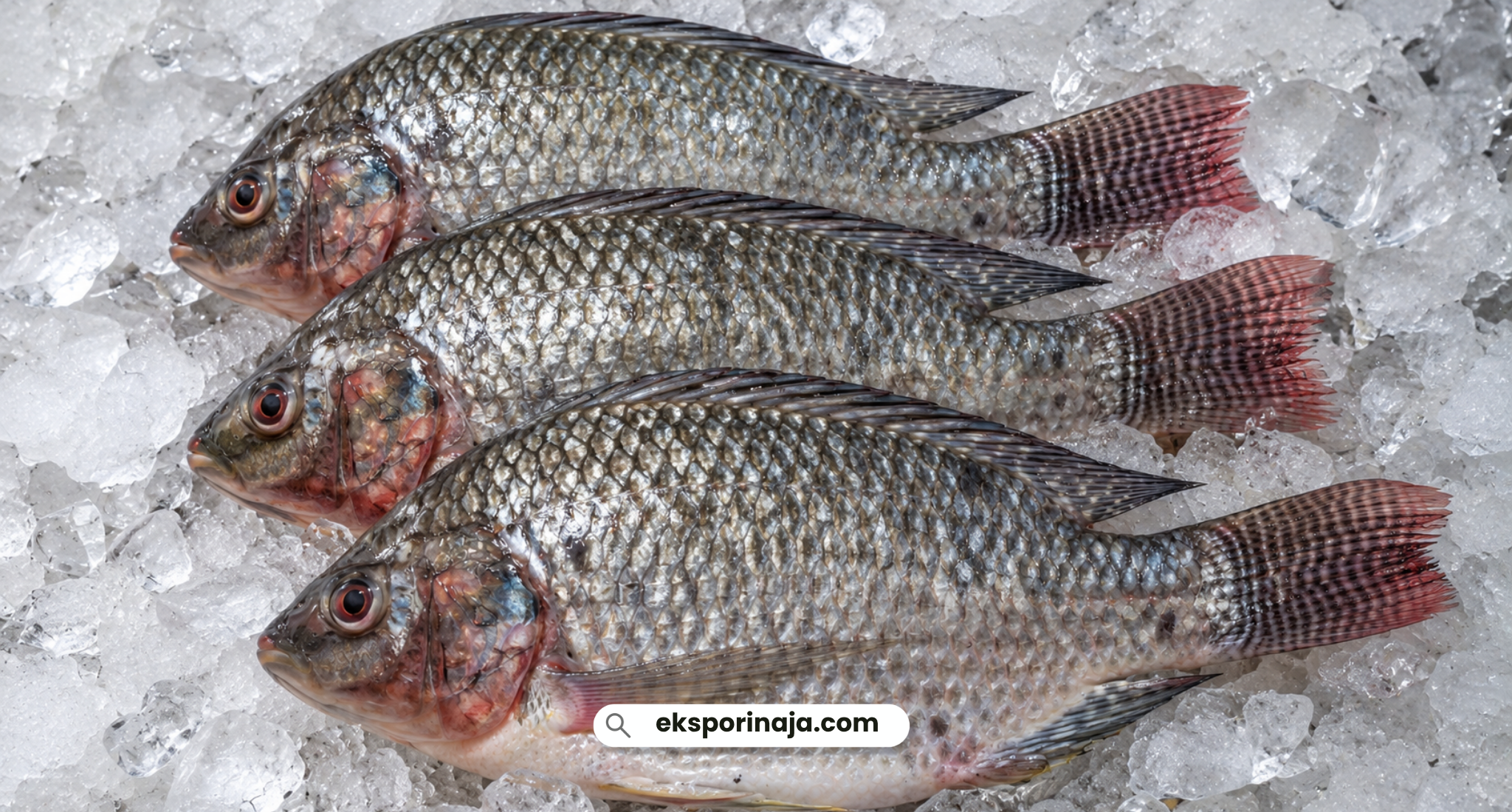
Tilapia is a widely recognized freshwater fish known for its mild flavor, lean flesh, and versatility in food preparation. It is commonly used in different culinary applications and seafood products, making it a familiar choice for consumers, food businesses, and seafood distributors.
Although tilapia shares several characteristics with other edible fish, its flavor profile, texture, and suitability for different preparations give it distinctive qualities. Understanding these characteristics helps explain why tilapia is used in various food products and culinary traditions.
Understanding Tilapia as a Fish
Tilapia refers to several species of freshwater fish belonging to the family Cichlidae. In Indonesia, it is commonly known as ikan nila. These fish are widely raised through aquaculture and are available in different markets.
Tilapia farming contributes to its availability in the seafood industry, supplying products for local markets as well as processing and frozen seafood applications.
How Tilapia Compares with Other Fish
One of the characteristics that distinguishes tilapia from many other fish is its mild flavor. Compared with fish that have stronger or more pronounced flavors, tilapia offers a relatively neutral taste. Its white flesh complements different seasonings, sauces, and cooking styles, making it suitable for a wide range of recipes without overpowering other ingredients.
Tilapia also has relatively lean flesh and a texture that can vary depending on the species, size, and preparation method. Its flesh is generally tender when properly cooked, making it suitable for frying, grilling, baking, and steaming.
Depending on the cooking method, tilapia can develop a crisp exterior while maintaining a tender interior. This adaptability allows it to complement different ingredients and cooking traditions, making it suitable for both home cooking and commercial food preparation.
How Tilapia Is Used in Different Food Products
Tilapia can be prepared in numerous ways, depending on consumer preferences and food industry requirements. Whole tilapia is commonly used in traditional dishes, particularly when the fish is prepared by frying, grilling, or steaming.
Tilapia fillets offer another convenient form because they are easier to portion and generally contain fewer bones than whole fish. Fillets can be used in seafood meals, sandwiches, and various prepared dishes.
In the food industry, tilapia may also be incorporated into frozen seafood products and ready-to-cook meals. Its mild flavor allows manufacturers to develop products with different seasonings and flavor profiles.
Fresh and Frozen Tilapia Products
Tilapia is available in several forms, including fresh whole fish, frozen whole fish, and frozen fillets. Each form serves different distribution, storage, and food preparation needs.
Fresh tilapia is commonly used in local markets and foodservice operations, while frozen products can support longer storage and transportation when handled under appropriate temperature conditions.
Frozen tilapia fillets are particularly convenient for buyers who require standardized portions and products that can be stored for later use. Product specifications, packaging, and temperature management remain important considerations for maintaining seafood quality throughout distribution.
Why Tilapia Remains Relevant in the Seafood Industry
Tilapia continues to be an important fish in the seafood industry because of its suitability for aquaculture, relatively mild flavor, and availability in different product forms. These characteristics allow it to serve various market segments, from fresh fish consumers to food manufacturers and seafood distributors.
The availability of whole fish and processed products also provides flexibility for businesses involved in seafood processing, distribution, and food preparation. Buyers can select products according to their intended applications, market preferences, and handling requirements.
Sourcing Seafood Products from Indonesia
Indonesia has diverse fisheries and aquaculture resources that support the production of various seafood commodities. Tilapia is one of the freshwater fish cultivated in the country, alongside other aquaculture species such as milkfish.
For international buyers, sourcing seafood involves considering product specifications, processing requirements, packaging, and supplier consistency. These factors help businesses evaluate whether the products are suitable for their intended markets.
PT Ekspor Indonesia Aja connects international buyers with Indonesian products, including seafood and other commodities. Businesses exploring seafood sourcing opportunities can learn more about Indonesia’s seafood industry and the different fish species available for international trade.
Looking for seafood products from Indonesia? Contact PT Ekspor Indonesia Aja to discuss your product requirements and sourcing needs.
PT Ekspor Indonesia Aja
From Local to Global

Comments are closed