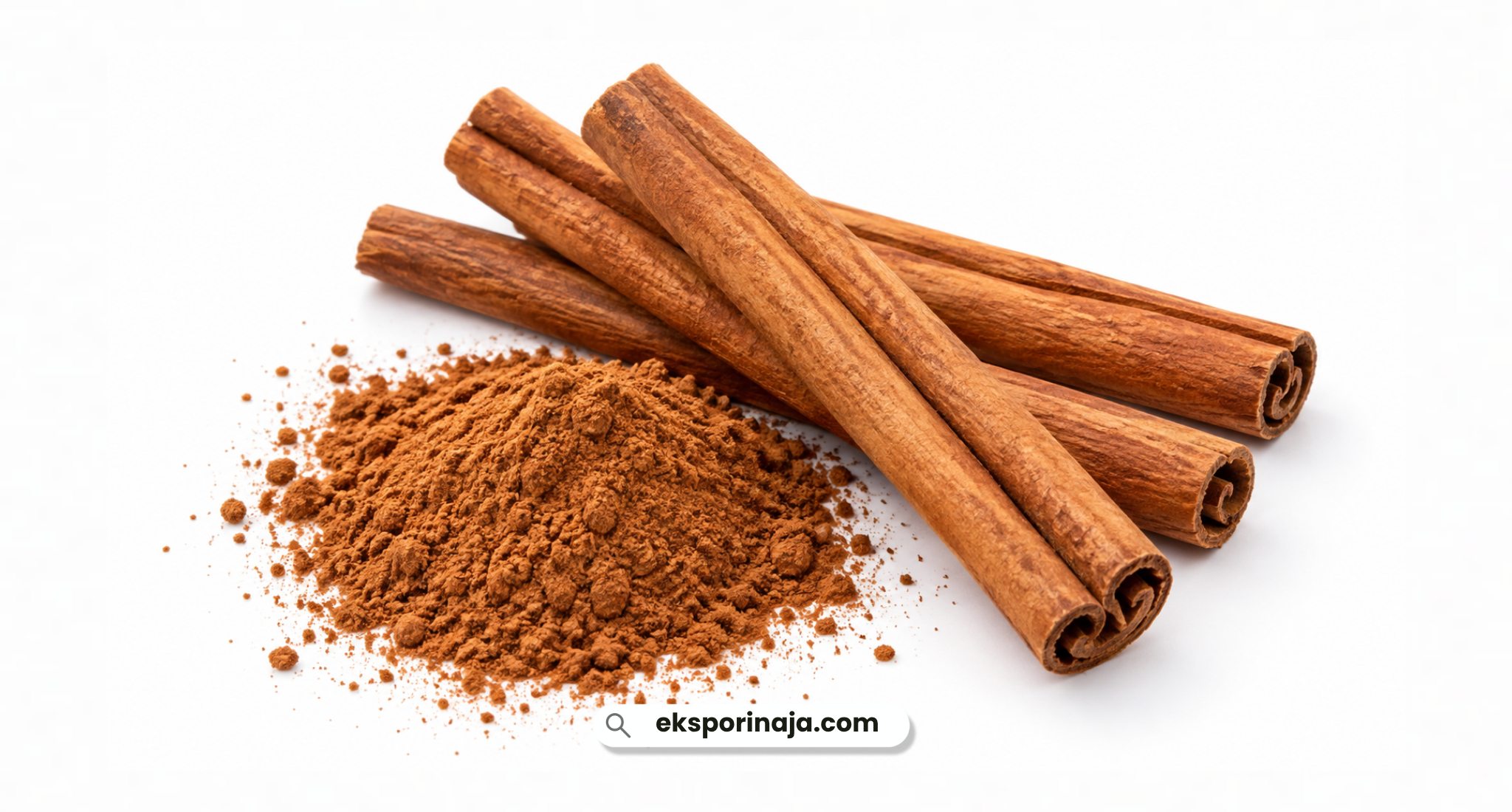
Cinnamon is a popular spice known for its warm aroma and distinctive flavor. Obtained from the inner bark of trees belonging to the Cinnamomum genus, it is used in a wide range of food products, from baked goods and confectionery to beverages and savory dishes. Its versatility allows food manufacturers to incorporate cinnamon into different products based on the desired flavor and product characteristics.
Beyond its familiar role in home cooking, cinnamon is also an ingredient in commercial food production. The form of cinnamon, its flavor intensity, and how it interacts with other ingredients can influence its suitability for different applications. Understanding these uses provides insight into the role cinnamon plays across the food industry.
Cinnamon in Bakery Products
Bakery products are among the most familiar applications of cinnamon. It is commonly used in cinnamon rolls, cakes, cookies, biscuits, pastries, and sweet breads. Its warm, aromatic flavor complements ingredients such as sugar, butter, chocolate, and fruit.
Cinnamon can be incorporated directly into dough or batter or combined with sugar to create fillings, toppings, and coatings. In some products, it is used as a primary flavor, while in others, it provides a subtle aromatic note that complements the remaining ingredients.
For commercial bakeries, consistency is important. The amount of cinnamon used, how evenly it is distributed throughout the mixture, and the baking conditions can all affect the final flavor. Manufacturers therefore need to select suitable ingredients and maintain consistent formulations to achieve the intended product characteristics.
Cinnamon in Confectionery Products
Cinnamon is also used in confectionery, including hard candies, chewing gum, and other sweet products. Its distinctive spicy aroma offers an alternative to common fruit, chocolate, and vanilla flavors.
In candy production, cinnamon may contribute a strong, recognizable flavor or serve as part of a more complex flavor combination. It can also complement sweetness by adding warmth and a mild spicy note.
The amount of cinnamon used depends on the type of confectionery being produced. Some products are designed around an intense cinnamon flavor, while others use smaller amounts to create a more balanced taste. Manufacturers need to consider these differences when developing formulations for their intended consumers.
Cinnamon in Beverages
Cinnamon is used in various beverages, including tea blends, hot chocolate, spiced drinks, and certain flavored beverages. Its aroma pairs well with ingredients such as milk, coffee, cocoa, honey, and other spices.
Whole cinnamon sticks may be used to infuse hot liquids, allowing the flavor to develop during preparation. Ground cinnamon and suitable cinnamon-derived flavoring ingredients can also be used in beverage formulations, depending on the desired result and production method.
The choice of form is important because it can affect how cinnamon disperses in a liquid. Ground cinnamon, for example, may remain visible or settle in some beverages. Manufacturers need to consider the product’s appearance, texture, processing requirements, and flavor profile when selecting the appropriate ingredient.
Cinnamon in Savory Foods and Seasonings
Although cinnamon is often associated with sweet foods, it also has a place in savory dishes. It is used in certain curry blends, meat seasonings, sauces, marinades, and traditional dishes across different culinary cultures.
In savory applications, cinnamon contributes aromatic depth and warmth rather than simply adding a sweet flavor. It may be combined with spices such as cumin, cloves, pepper, and coriander to create distinctive seasoning blends.
Food manufacturers producing prepared meals, sauces, and spice mixtures may use cinnamon to develop a particular flavor profile. However, the amount needs to be carefully controlled because its aroma can become dominant when used in excess.
The use of cinnamon in savory foods demonstrates how a single spice can serve different purposes depending on the ingredients, preparation methods, and culinary traditions involved.
Different Forms of Cinnamon in Food Production
Cinnamon is available in several forms, each suited to different food applications. Common forms include whole sticks or bark, broken pieces, and ground cinnamon. Cinnamon-derived ingredients, such as oil and oleoresin, are also used in certain commercial formulations.
Whole cinnamon is suitable for infusions and applications where the spice can be removed before serving. Broken pieces may be used for similar purposes, depending on their size and the production method. Ground cinnamon is convenient for dry mixes, bakery formulations, seasonings, and products that require the spice to be distributed throughout the mixture.
Cinnamon oil and oleoresin are more concentrated ingredients and differ from ordinary cinnamon powder. Their use requires appropriate formulation and handling, particularly when precise flavor levels are important.
The appropriate form depends on the intended product, processing method, flavor requirements, and ingredient specifications. Manufacturers should evaluate these factors before selecting cinnamon for large-scale production.
Factors to Consider When Selecting Cinnamon
Choosing cinnamon for food production involves evaluating its flavor, physical characteristics, consistency, and suitability for the intended application. Cinnamon varieties can differ in aromatic intensity and flavor profile, so manufacturers need to select an ingredient that complements the other components of their products.
The form of cinnamon is another important consideration. Whole bark, broken pieces, ground cinnamon, and concentrated flavoring ingredients serve different processing needs. Manufacturers may also assess characteristics such as moisture content, particle size, cleanliness, and flavor consistency according to their product specifications.
Proper storage and handling help maintain cinnamon’s quality and protect its aroma from deterioration. Manufacturers should also verify relevant quality specifications, supplier documentation, and applicable food safety requirements before using cinnamon in commercial production. These considerations may vary depending on the food category, processing method, and destination market.
Exploring Indonesian Agricultural Products with PT Ekspor Indonesia Aja
Cinnamon serves a variety of purposes in the food industry, from adding warmth to baked goods and confectionery to contributing aromatic complexity to beverages and savory seasonings. Its different forms also allow manufacturers to select ingredients that suit their processing methods and product requirements.
For businesses sourcing spices and other agricultural products, understanding product characteristics and intended applications is an important step in evaluating potential ingredients and suppliers.
PT Ekspor Indonesia Aja connects international buyers with Indonesian products across various categories, including agriculture. Businesses interested in Indonesian agricultural products can contact PT Ekspor Indonesia Aja to discuss their product requirements and sourcing needs.
PT Ekspor Indonesia Aja
From Local to Global

Comments are closed