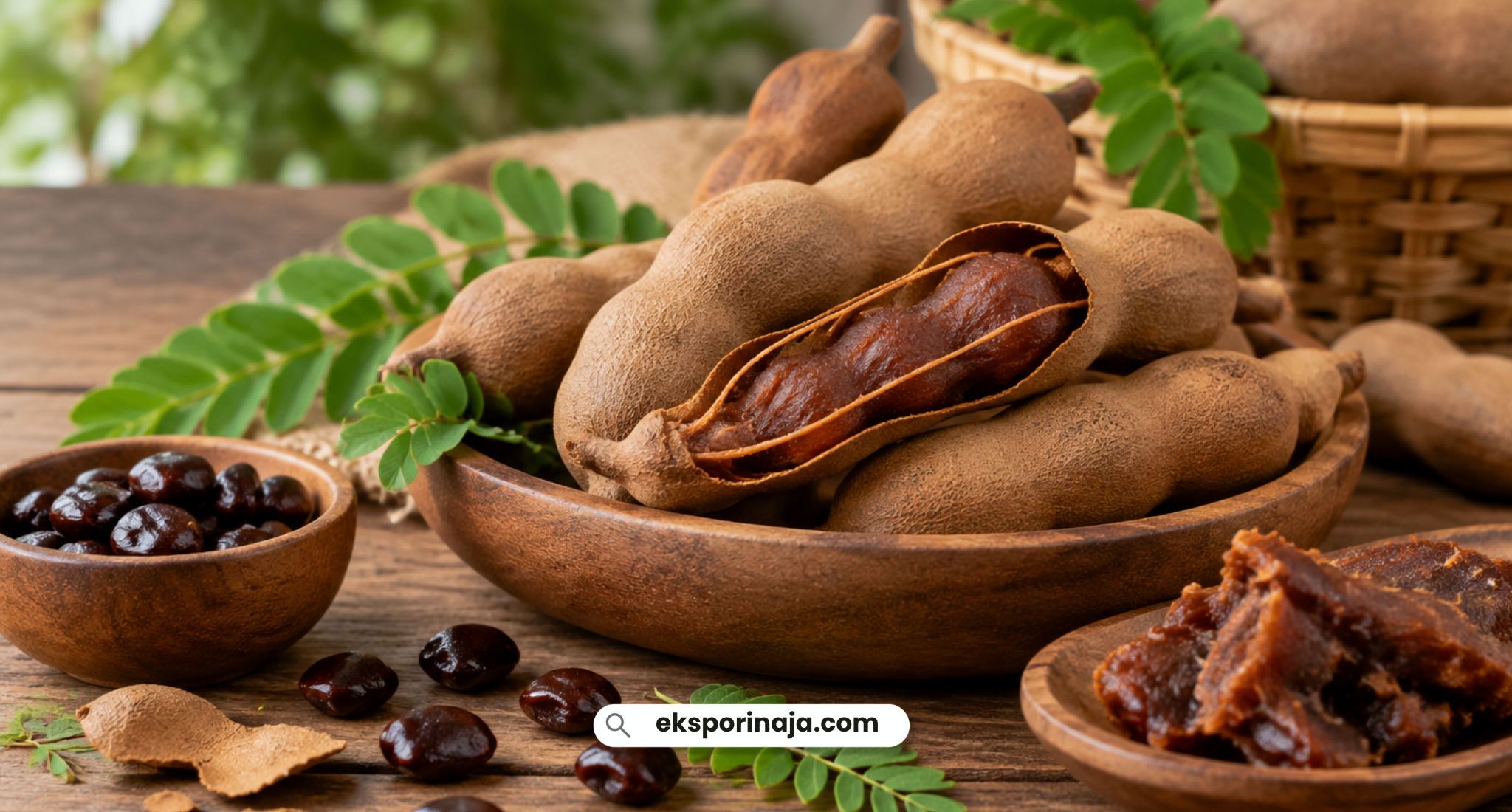
Tamarind is widely recognized for its distinctive sour taste and has been used as a food ingredient for generations. Its unique flavor makes it a familiar part of many traditional dishes, sauces, drinks, and seasonings. However, tamarind is more than just a fruit used to add sourness. Its different forms and applications have made it an interesting ingredient for food products across various markets.
Today, tamarind can be found in a variety of food applications, from traditional recipes to processed sauces, beverages, seasonings, and other products. Its distinctive flavor and flexibility make it a useful ingredient for food manufacturers and buyers looking for something that can work across different product categories.
A Fruit with a Distinctive Flavor
Tamarind comes from the fruit pods of the tamarind tree, which grows well in tropical and subtropical environments. Inside the pod is a brownish pulp with a naturally sour and slightly sweet flavor. This combination gives tamarind a characteristic taste that is difficult to replicate with a single ingredient.
The pulp is the most commonly used part of the fruit. Depending on how it is processed and prepared, tamarind can be sold in several forms to suit different applications. This flexibility allows buyers to select a product based on how they intend to use it, whether for food preparation, processing, or further formulation.
Tamarind has long been associated with traditional cuisines in Asia, Africa, the Middle East, and other regions. Its distinctive flavor also gives it potential for use in modern food products, particularly where manufacturers are looking for recognizable ingredients that can add a sour or tangy character to a formulation.
More Than Just a Sour Ingredient
One of the reasons tamarind remains relevant in the food industry is its versatility. Its flavor can complement sweet, savory, spicy, and tangy food products, allowing it to be used across different categories.
Tamarind can be found in sauces and condiments, where its sourness can help create a balanced flavor profile. It is also used in beverages and drink preparations, particularly products designed around refreshing or fruit-based flavors. In marinades and seasonings, tamarind can contribute a distinctive tangy character that works well with various ingredients.
Its applications can also extend to snacks, confectionery, and processed foods. The specific form and concentration of tamarind may vary depending on the final product and formulation requirements. For food manufacturers, this makes tamarind an ingredient that can be adapted to different product concepts rather than being limited to one particular food category.
Understanding Different Forms of Tamarind
Tamarind can be prepared and supplied in several forms, including whole tamarind, tamarind pulp, deseeded tamarind, dried tamarind, paste, and concentrate. Each form can offer different practical advantages depending on the intended use.
Whole or dried tamarind may be suitable for traditional food preparation and further processing, while pulp can be more convenient for applications that require the edible portion of the fruit. Tamarind paste and concentrate can provide a practical option for manufacturers that need an ingredient that can be incorporated into sauces, beverages, seasonings, or other formulations.
For buyers, choosing the right form is therefore an important part of the sourcing process. The decision may depend on the product application, required shelf life, processing method, packaging, and specifications of the target market.
From Agricultural Product to Food Ingredient
Before tamarind reaches food manufacturers or distributors, the fruit goes through several stages of handling and processing. The process may begin with harvesting and selection, followed by cleaning and preparation of the fruit. Depending on the desired product form, the pulp may then be separated, processed, dried, or transformed into another ingredient.
Proper handling is important throughout these stages because the condition of the raw material can influence the quality of the finished product. Processing methods, storage conditions, packaging, and transportation also need to be considered when preparing tamarind for commercial distribution.
For international buyers, this means that sourcing tamarind is not simply about finding the fruit itself. Buyers may also need to consider product consistency, specifications, packaging requirements, and the conditions needed to maintain the product during transportation and storage.
What Buyers Should Consider When Sourcing Tamarind
When sourcing tamarind for food production or distribution, buyers should first identify the form of product that best fits their application. A manufacturer producing sauces, for example, may have different requirements from a distributor supplying dried agricultural products.
Other factors can include product specifications, cleanliness, moisture condition, packaging, shelf life, available quantity, and consistency between batches. Buyers may also have specific requirements related to labeling, food safety, documentation, or import regulations depending on the destination market.
Clear communication between buyers and suppliers is important throughout the process. By discussing product specifications and requirements before an order is prepared, both sides can have a better understanding of the expected product and reduce potential issues during sourcing and delivery.
Exploring the Potential of Indonesian Tamarind
Indonesia’s tropical environment supports the cultivation of a wide range of agricultural products, including fruits and other food commodities used in domestic and international markets. Tamarind is one of the products that can be explored not only for traditional consumption but also for broader food ingredient applications.
Its distinctive flavor and availability in different product forms create opportunities for buyers looking for ingredients that can be incorporated into various food products. As food manufacturers continue to explore different ingredients for sauces, beverages, seasonings, and other products, Indonesian tamarind can be considered as one of the agricultural commodities available for international sourcing.
However, successful sourcing depends on more than the origin of the product. Buyers need suppliers who can understand their specifications, identify suitable products, and coordinate the sourcing process according to their requirements.
Sourcing Tamarind for International Markets
For international buyers, finding the right tamarind product can be easier when sourcing is approached based on the intended application rather than simply the name of the commodity. Understanding the required form, specifications, quantity, packaging, and destination-market requirements can help create a more suitable sourcing process.
PT Ekspor Indonesia Aja supports buyers looking for Indonesian agricultural and food products by helping connect international demand with suitable products from Indonesia. For buyers interested in tamarind or other Indonesian commodities, the right sourcing approach can help turn an agricultural product into an opportunity for wider food markets.
Looking for tamarind or other Indonesian agricultural products? Contact PT Ekspor Indonesia Aja to discuss your product requirements and sourcing needs.
PT Ekspor Indonesia Aja
From Local to Global


One response
https://addlinks.pro/tTsjW